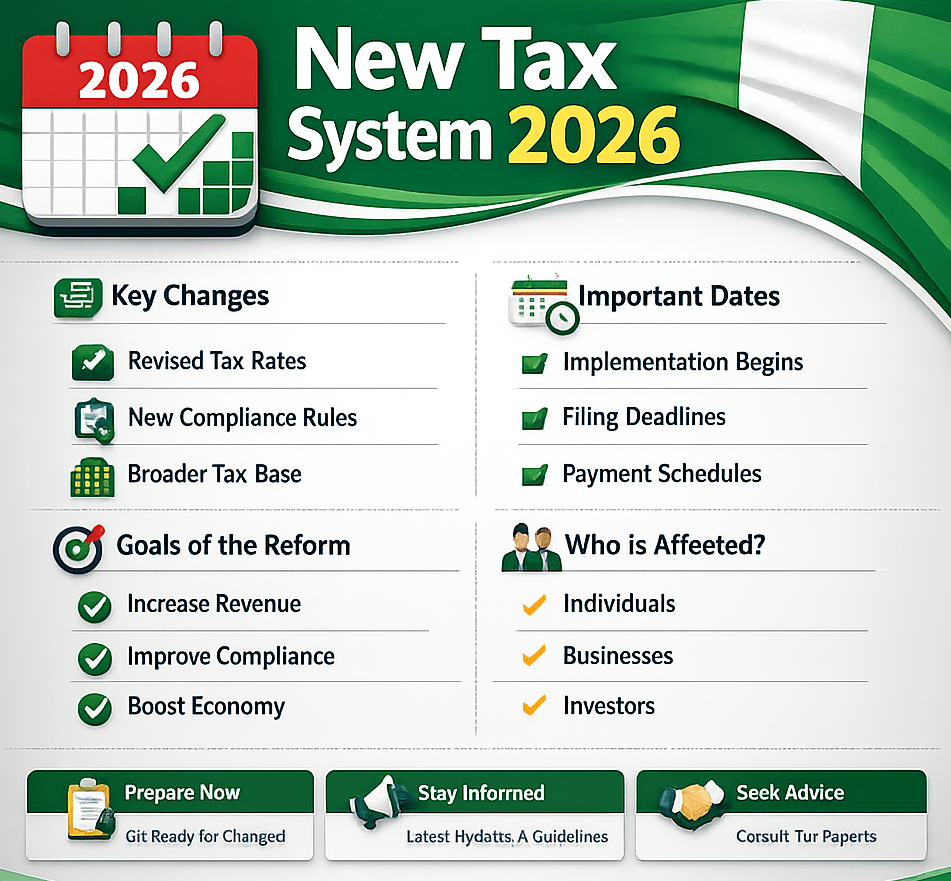
If you earn money in Nigeria—whether through a job, business, or investments—there’s something important you need to know. A new tax system is coming into effect on January 1, 2026, and it will affect everyone differently. Some people will pay more, some will pay less, and some won’t pay anything at all.
I’m Financial Jennifer, a Chartered Accountant and licensed stockbroker, and I’ve noticed so many misconceptions floating around online about this new tax law. Today, I’m breaking down everything you need to know in simple terms—whether you’re living in Nigeria or abroad.
A Message to the Government First
Before we dive in, let me address the elephant in the room: nobody likes paying taxes. But you know what makes the difference in developed countries? Transparency and accountability.
When people can see what their tax money is being used for—better roads, healthcare, education—they’re more willing to pay. The good news is that according to Mr. Taiwo Oyedele (who heads the tax reform committee), a bill has been passed to provide a framework for accountability and transparency. I really hope this gets implemented because when we see where our money is going, compliance becomes easier.
Who Pays Tax and Who Doesn’t?
Let’s start with the basics. Anyone with taxable income from business, employment, or investments is liable to pay tax. However, there are important exemptions:
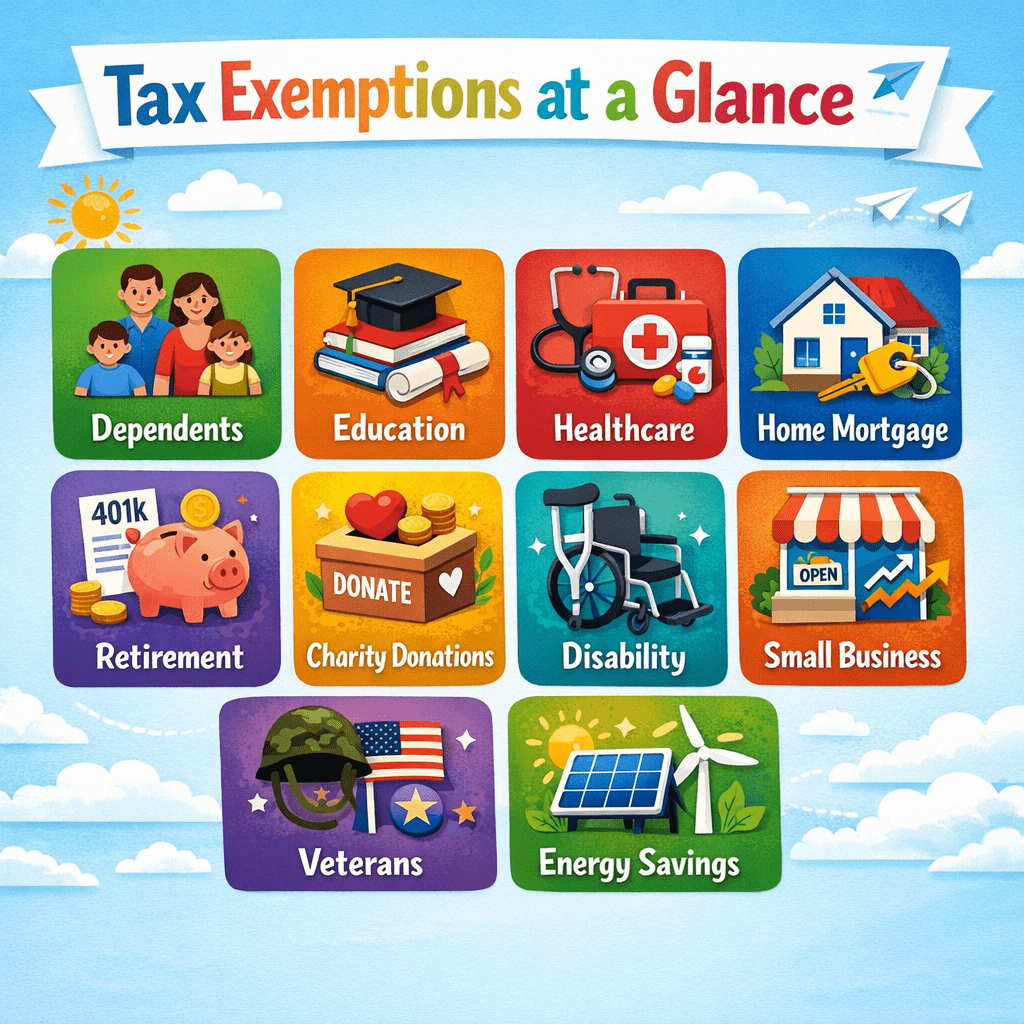
🚫 You DON’T Pay Tax If:
1. You Earn Less Than ₦800,000 Annually
If your total yearly income is below ₦800,000, you’re completely exempt from tax. However, if you’re part of my finance community, I believe we’re all aiming higher than this in 2026!
2. You’re a Student or Retiree (With Conditions)
Students and retirees don’t pay tax on their status alone. HOWEVER, if you run a business on the side, that business income is taxable. As Mr. Taiwo pointed out, if we exempt all retirees from tax, someone like Dangote could simply declare retirement and avoid taxes entirely. Your retirement funds remain untouched, but business income is fair game.
3. You Receive Gifts
Genuine gifts are not taxed. Clear and simple.
4. Religious Organizations
Churches and mosques don’t pay tax, BUT their employees do. Yes, this means your pastor or imam pays tax on their salary just like everyone else.
🛒 No Tax on Basic Needs
Here’s some great news: the new tax law has expanded the list of items exempt from VAT (Value Added Tax). These include:
- Food
- Rent
- Transport
- Education
- Health services
These are the things Nigerians spend the most money on, so exempting them from VAT should make life more affordable. If businesses in these sectors aren’t paying VAT, their products and services should theoretically become cheaper.
Important note: If you’re in any of these businesses, there’s no reason to increase your prices based on tax concerns because you’re exempt!
The New Tax Rates Explained
Yes, tax rates have increased, but there’s a progressive structure that’s fairer than you might think.
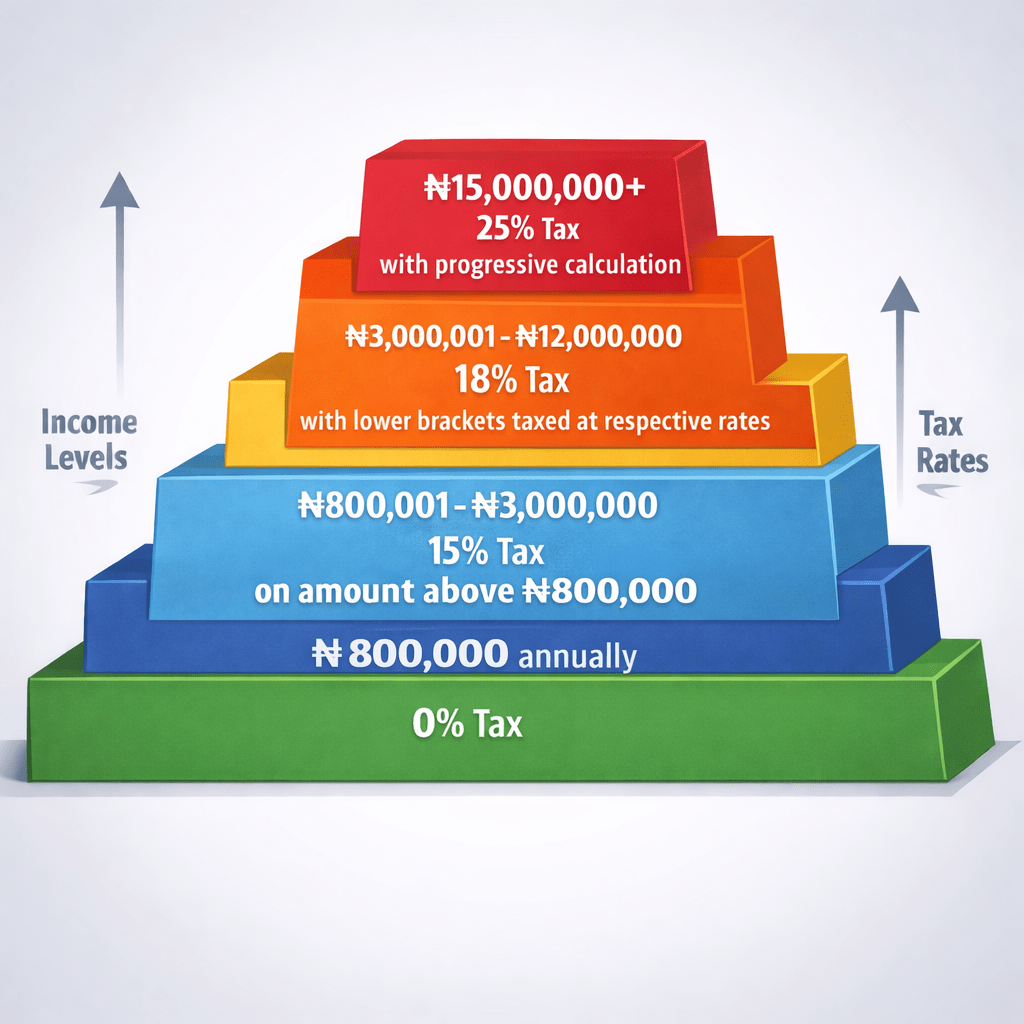
Here’s How It Works:
- ₦0 – ₦800,000 annually: 0% tax
- ₦800,001 – ₦3,000,000 annually: 15% tax (only on the amount above ₦800,000)
- ₦3,000,001 – ₦12,000,000 annually: 18% tax (with lower brackets taxed at their respective rates)
- ₦15,000,000 and above annually: 25% tax (with progressive calculation)
Important Clarification:
The tax isn’t calculated as a flat rate on your entire income. For example, if you earn ₦3.5 million:
- First ₦800,000 = 0% tax
- Next ₦2.2 million = 15% tax
- Remaining ₦500,000 = 18% tax
It’s progressive, which means you’re not paying the highest rate on all your income.
Tax on Investments (This Is Important!)
If you’re an investor, pay close attention to these changes:
📊 Stocks and Dividends
- Dividends: YES, taxed—but the tax is deducted before you receive payment. You don’t need to do anything.
- Selling shares at profit: YES, taxed—BUT only if:
- The total value of stocks you sold exceeds ₦150 million in a year, OR
- Your profit exceeds ₦10 million
Good news: this threshold increased from ₦100 million to ₦150 million, so many investors will escape this tax.
📈 Other Investments
- FGN Bonds: NO tax
- Treasury Bills: Tax handled by issuing houses
- Corporate Bonds/Commercial Paper: 10% withholding tax
- Mutual Funds: Depends on what’s inside the fund (equity vs. government bonds)
- Cryptocurrency/Digital Assets: YES, taxed on net gains (if you have net losses, no tax applies)
For Nigerians in the Diaspora
Here’s What You Need to Know:
Living abroad with no business in Nigeria? You don’t pay Nigerian tax.
Living abroad but earning Nigerian income? You pay tax on that Nigerian income.
This makes sense—you should pay tax where you earn income. If you run a business in Nigeria (which many diaspora Nigerians do), that business is subject to Nigerian tax if it generates over ₦100 million annually.
Remote Workers
If you work remotely for a Nigerian company or earn Nigerian income online, YES, your income is taxable in Nigeria if it exceeds ₦800,000 annually.
Getting Your Tax ID (TIN) – Action Required!
Everyone needs a Tax Identification Number (TIN) going forward. You can get yours by visiting:
🌐 jtb.gov.ng
This is the official website where you can register for your Tax ID yourself. Don’t wait until the last minute—get yours now!
Why You Need a TIN:
- Required for banking transactions above certain thresholds
- Needed for business registration and contracts
- Essential for investment accounts
- Required for property transactions
What Should You Do Right Now?
Here’s your action plan before January 1, 2026:
✅ Step 1: Calculate your annual income to determine your tax bracket
✅ Step 2: Get your Tax Identification Number from jtb.gov.ng
✅ Step 3: Review your investments and understand which are taxable
✅ Step 4: If you run a business, assess whether your revenue exceeds ₦100 million annually
✅ Step 5: Keep proper records of all income and expenses
✅ Step 6: If you’re in basic needs sectors (food, health, education, transport, housing), understand your VAT exemption
Common Misconceptions Cleared Up
Myth: “Everyone will pay more tax”
Truth: If you earn under ₦800,000, you pay nothing. The system is progressive.
Myth: “Prices will skyrocket”
Truth: Basic needs are VAT-exempt, which should actually lower prices in those sectors.
Myth: “All investments are heavily taxed”
Truth: Many investments have high exemption thresholds or are tax-free entirely.
Final Thoughts
The new tax system isn’t as scary as it seems once you understand it. Yes, there are changes, but there are also many protections for low and middle-income earners. The key is to:
- Stay informed – Don’t rely on rumors
- Get compliant – Register for your TIN
- Plan ahead – Understand your tax obligations before they’re due
- Keep records – Proper documentation makes everything easier
Remember, tax evasion is illegal, but tax planning is smart. Understanding these rules helps you make better financial decisions.
Want to learn more about tax-efficient investments for 2026? Join my upcoming 2026 Year Workshop where I’ll show you step-by-step the best investment strategies. The workshop is only ₦7,500. Comment “LINK” below and I’ll share the registration details with you.
Disclaimer: This article provides general information about Nigeria’s new tax system. For specific tax advice related to your personal situation, please consult with a qualified tax professional or the Federal Inland Revenue Service (FIRS).